
patterned frosted glass
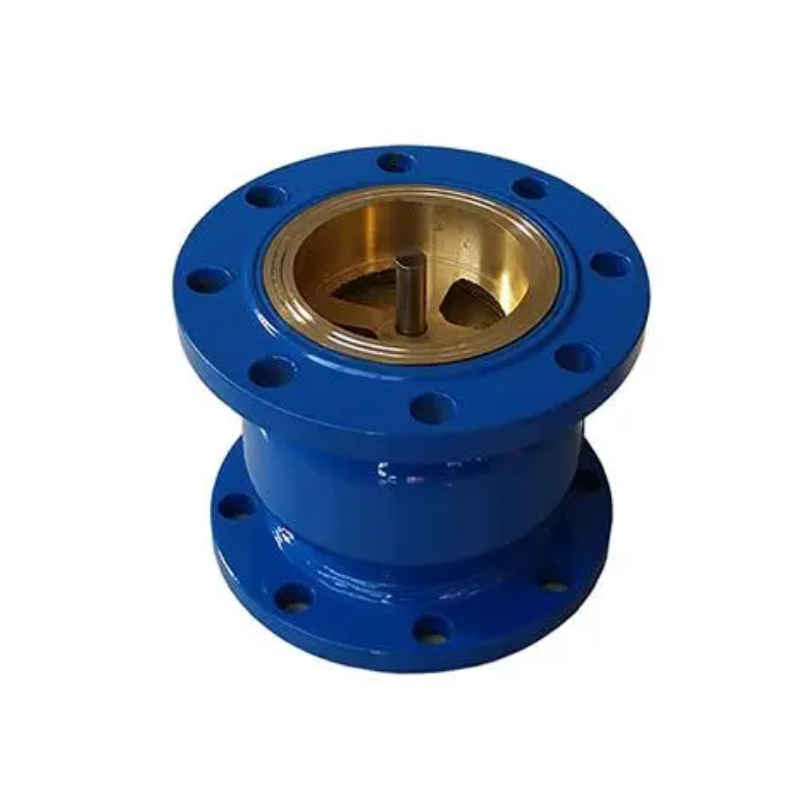
Flow Control Valve Types An Overview Flow control valves are essential components in various industrial processes, used to regulate the flow of liquids or gases within a system. Their functionality is crucial for maintaining the efficiency and safety of fluid handling and distribution. In this article, we will discuss the different types of flow control valves, their operating mechanisms, and their applications across various industries. Types of Flow Control Valves 1. Gate Valves Gate valves are primarily used for on/off control of flow. They operate using a sliding gate or wedge to obstruct or allow fluid passage. When fully open, gate valves provide minimal resistance to flow, making them suitable for large pipelines. However, they are not ideal for throttling purposes as they can lead to erosion and damage. 2. Globe Valves Unlike gate valves, globe valves are designed for throttling applications. They consist of a spherical body with an internal baffle that regulates flow by altering the cross-sectional area through which the fluid can pass. Globe valves provide good control over flow rates, making them suitable for applications requiring precise flow modulation. 3. Ball Valves Ball valves utilize a spherical ball with a bore to control flow. When the ball is rotated, it allows or blocks flow, providing a quick shut-off mechanism. While primarily used for on/off control, ball valves can also be used effectively in flow control applications, depending on their design and actuation method. 4. Butterfly Valves Butterfly valves consist of a circular disc that rotates on a shaft to control flow. They are lightweight and compact, making them ideal for large diameter pipes. Butterfly valves can be used for both on/off and throttling services, and they are often employed in water supply, wastewater treatment, and HVAC systems. 5. Check Valves Check valves are designed to prevent backflow in a system. They allow fluid to flow in one direction only, using a disc or ball that moves toward the seat to block reverse flow when pressure drops. Common applications of check valves include pump systems, where preventing backflow is critical for protecting equipment and maintaining system integrity. flow control valve types 6. Needle Valves Needle valves are specialized valves used for fine control of flow rates. They feature a slender, tapered plug that fits into a seat, allowing for very small flow adjustments. Needle valves are commonly found in laboratory and process applications where precise control of fluid delivery is necessary. 7. Pressure Relief Valves Also known as safety valves, pressure relief valves protect against excessive pressure in a system. They automatically open to release fluid when a predetermined pressure is reached, preventing potential hazards such as pipe ruptures or equipment failures. These valves are crucial in industries such as oil and gas, chemical processing, and water management. Operating Mechanisms Flow control valves can exhibit different operating mechanisms, including manual and automatic operations. Manual valves require an operator to adjust flow rates physically, while automatic valves utilize actuators controlled by sensors or programmable logic controllers (PLCs) to adjust flow according to real-time conditions. The choice between manual and automated valves often depends on the specific application, the required precision, and the ability to respond to changing conditions. Applications Across Industries Flow control valves are utilized across a wide range of industries, including water treatment, oil and gas, pharmaceuticals, food processing, chemical manufacturing, and HVAC. In water treatment, for instance, valves control the flow of water through various treatment stages. In the oil and gas sector, they regulate the flow in pipelines, refineries, and drilling operations. Similarly, in pharmaceuticals, precise flow control is vital for maintaining product quality and compliance with regulatory standards. Conclusion Understanding the various types of flow control valves and their respective applications is crucial for optimizing fluid systems. Each type of valve has its unique advantages and operating principles, making it suitable for specific applications. By selecting the appropriate flow control valve, industries can enhance efficiency, maintain safety, and ensure the reliability of their operations. Whether it’s a simple manual valve or a sophisticated automated system, flow control valves play a pivotal role in the smooth functioning of processes across the board.
about
patterned frosted glass
Types of Control Valves and Their Applications Control valves are essential components in various industrial processes, regulating the flow, pressure, temperature, and levels of fluids. Their functionality significantly influences the efficiency and safety of operations in industries such as oil and gas, water treatment, chemical manufacturing, and HVAC systems. Understanding the various types of control valves and their applications helps engineers select the appropriate valve for specific operational needs. 1. Globe Valves Globe valves are one of the most commonly used types of control valves. They consist of a movable disk or plug and a stationary ring seat in a generally spherical body. Globe valves are designed to provide good throttling and flow regulation capabilities. Their primary applications include steam, fuel oil, and water services. Due to their design, they are well-suited for applications where precise flow control is crucial. 2. Ball Valves Ball valves utilize a spherical disc to control fluid flow. The valve can be opened or closed with a quarter turn of the handle. Although they are better suited for on/off service than for throttling, there are specialized ball valves designed for flow regulation. Ball valves are widely used in water distribution, natural gas services, and in applications requiring fast shut-off capabilities due to their durable construction and reliability. 3. Butterfly Valves Butterfly valves consist of a circular disc mounted on a shaft. When the shaft rotates, the disc either allows or blocks flow. These valves are lightweight and compact, making them an excellent choice for large volume applications. They are suitable for water treatment plants, ships, and chemical processing. Butterfly valves offer quick opening and closing and are ideal for isolation and throttling service. types of control valves and their applications 4. Check Valves Check valves, or non-return valves, allow fluid to flow in one direction while preventing backflow. They rely on the fluid's pressure to operate and are commonly found in plumbing systems, wastewater treatment, and other applications where backflow could lead to system failures. Though they are not inherently control valves, they play a crucial role in maintaining system integrity. 5. Pressure Relief Valves Pressure relief valves are specialized control valves designed to release excess pressure from a system. They automatically open at a predetermined pressure to protect equipment from damage. These valves are critical in applications involving steam boilers, storage tanks, and chemical processes, ensuring safety and compliance with regulatory standards. 6. Solenoid Valves Solenoid valves are electromechanically operated valves used to control fluid flow. They rely on electromechanical solenoids to open or close the valve. Solenoid valves are particularly useful in automated processes, such as those found in car wash systems, irrigation controls, and chemical dispensing. Their quick response time makes them ideal for applications requiring precise and responsive flow control. Conclusion In summary, understanding the different types of control valves—globe, ball, butterfly, check, pressure relief, and solenoid—is essential for optimizing industrial applications. Each valve type has its own unique advantages and ideal usage scenarios. Selecting the right valve can greatly enhance operational efficiency, safety, and reliability in fluid handling processes. As industries continue to evolve, the advancements in control valve technology promise to provide even more effective solutions for complex control challenges.
-

High quality industrial productsagement

High quality industrial products
View Details -

Meet the diverse needs of customers

Meet the diverse needs of customers
View Details -

Strict quality control

Strict quality control
View Details -

Top raw materials

Top raw materials
View Details -

Trusted supplier

Trusted supplier
View Details
Our application

news and information
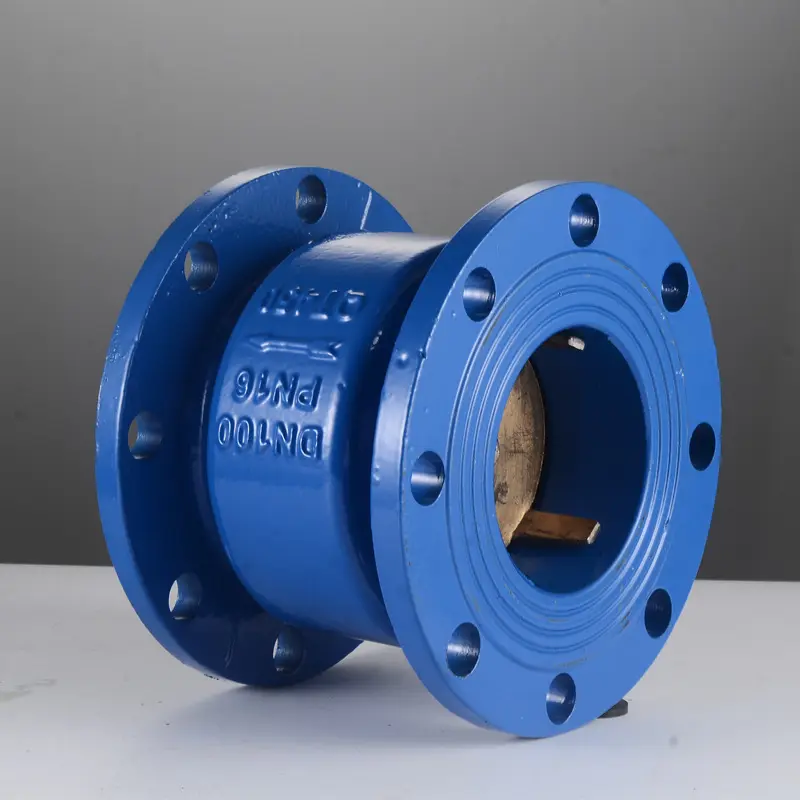
water meter shut off valve
The significance of the water meter shut off valve often goes unnoticed until an emergency arises or
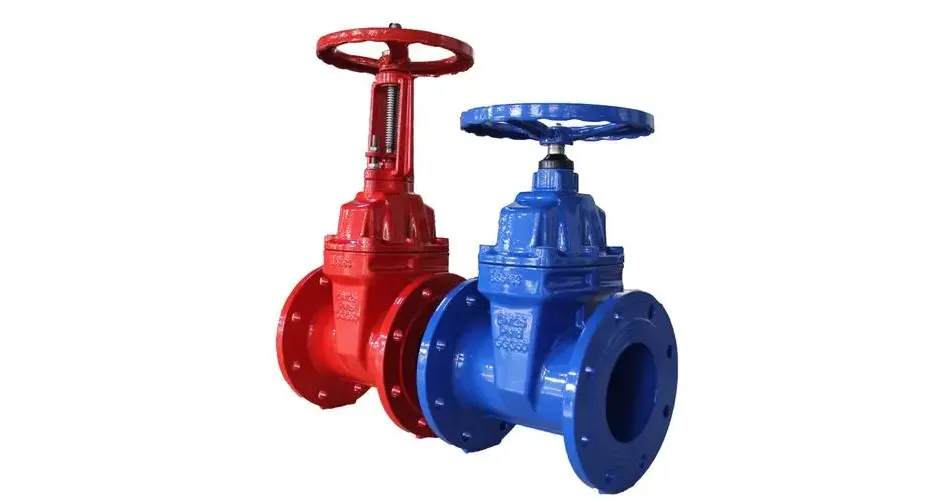
v block design
Exploring the V-Block Design A Revolutionary Approach in Architecture In the ever-evolving landscape
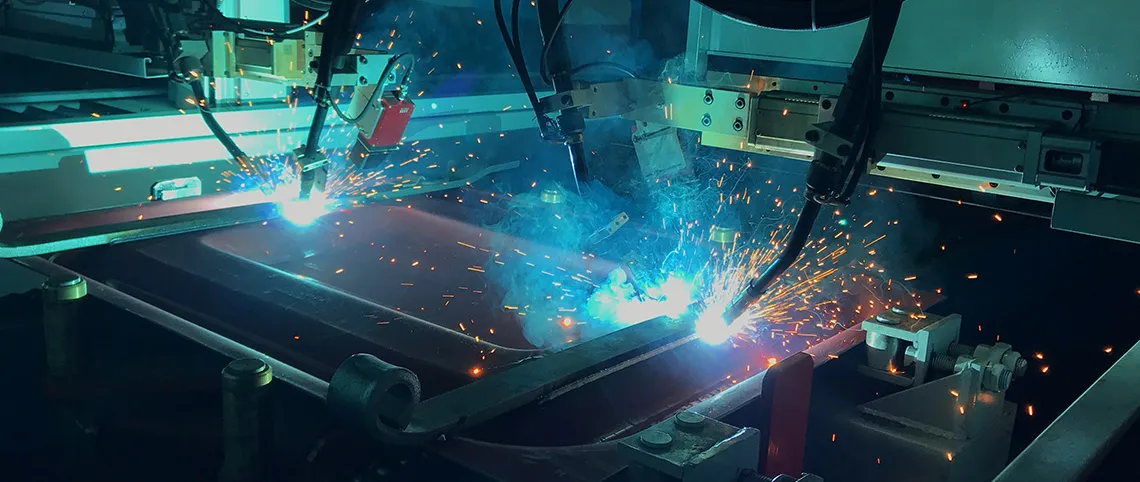
Water Valve Shutoff Mechanism for Efficient Water Control and Management
Understanding Water Valve Shut Off Importance and Applications A water valve shut off is a critical
 English